
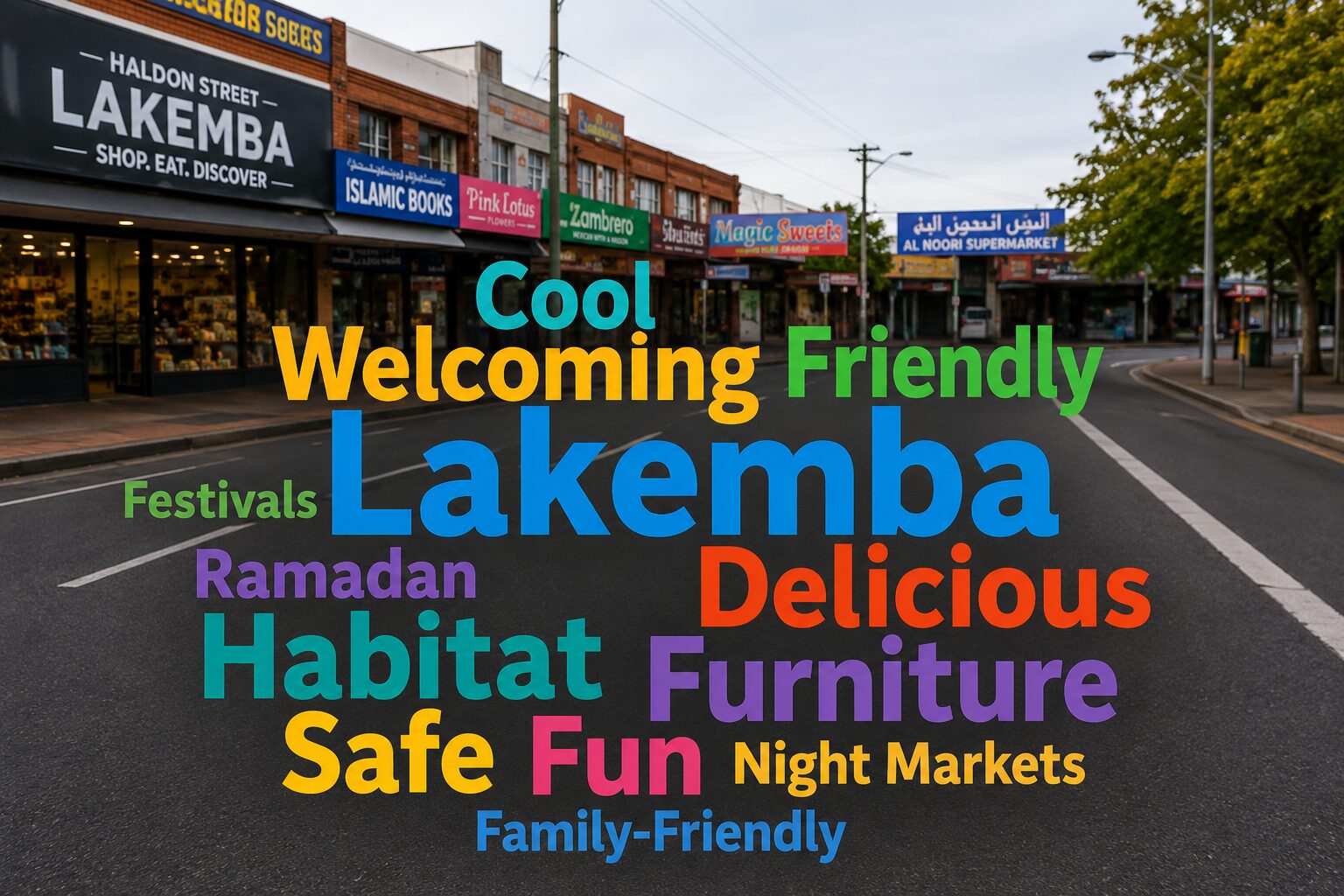
When it comes to Lakemba furniture shops, we believe you should come visit us as we’re just a few minutes away in South Strathfield.
Lakemba, in Sydney’s south-west, is one of those suburbs that doesn’t try to impress you—it simply overwhelms you with life.
Food spills onto the streets, conversations drift out of cafés, prayer calls echo through neighbourhood rhythms, and furniture—yes, furniture—quietly underpins the way people gather, eat, celebrate and belong. To understand Lakemba properly, you don’t just visit it; you experience it with all your senses.
This is not a polished tourist precinct. It’s something far more interesting: a living cultural ecosystem where food, faith, festivals and everyday domestic life intertwine. And hidden within all of that is a subtle but powerful theme—how spaces, seating, tables, and the humble act of sitting together shape the Lakemba experience.
A Suburb Defined by Culture and Community
Lakemba is widely recognised as one of the cultural hearts of Muslim life in Sydney. It’s diverse, vibrant, and deeply social. Walking down Haldon Street, you’ll pass Lebanese bakeries, Afghan restaurants, Pakistani grills and dessert shops all within a few minutes. The suburb is especially famous during Ramadan, when it transforms into one of the most energetic places in the country.
But Lakemba is not just about food—it’s about how people gather. And that’s where furniture, often overlooked, plays a role. From plastic outdoor chairs to long communal tables, seating becomes a tool for connection.
Visiting the Mosque: Stillness, Space and Sensory Experience
At the centre of Lakemba sits the iconic …
Lakemba Mosque
Inside, the experience is striking—not because of furniture, but because of its intentional absence. The mosque is carpeted wall-to-wall in deep colours, designed for prayer rather than seating. This creates a different relationship with space. Instead of chairs or pews, the body itself becomes the point of contact with the environment.
Visitors often notice:
- The softness and warmth of the carpet underfoot
- The openness of the prayer hall without clutter
- The quiet order of aligned rows during prayer
This absence of furniture is meaningful. It strips away hierarchy—everyone sits, kneels, and stands equally. Compared to Western interiors filled with chairs, tables and couches, the mosque offers a rare spatial simplicity.
Tours are sometimes available (with advance booking), offering a chance to appreciate the architecture, light, and cultural significance up close.
The Ramadan Night Markets: Food, Movement and the Missing Chair
If the mosque represents stillness, the Ramadan Night Markets represent energy.
Every year, Lakemba becomes a magnet for visitors—over a million people attend across the month, turning the suburb into a buzzing night-time festival.
The streets fill with:
- sizzling grills
- dessert stalls dripping with syrup
- smoke, spices, and sugar in the air
But here’s where the furniture angle becomes interesting: there’s often very little of it.
You don’t sit much at Lakemba’s night markets—you wander, stand, lean, perch. The experience is kinetic. Food is eaten:
- on the move
- on temporary stools
- leaning against shopfronts
Some visitors even note the lack of seating as part of the experience—forcing interaction and movement rather than passive dining. (And occasionally frustration, too.)
Furniture here becomes temporary and improvised:
- folding tables
- plastic chairs
- makeshift benches
It’s not about comfort—it’s about participation.
Eating Your Way Through Lakemba
Lakemba’s food scene is one of Sydney’s best-kept open secrets. It’s affordable, authentic, and deeply social.
Here are some standout spots:
Middle Eastern & Lebanese flavours
- EL-Manara Lebanese Restaurant
A classic for charcoal meats, fresh bread, and generous platters. Dining here is about sharing—large tables, plates in the centre, and conversation flowing as freely as the tea.
Afghan comfort food
- Afghan Sufra
One of Lakemba’s most loved spots, known for rich rice dishes and slow-cooked meats. It’s casual, affordable, and often busy—tables turn quickly, and the focus is on flavour over formality.
Pakistani feasts
- Shahi Dera
Late-night dining, big portions, and communal energy. Expect groups, families, and extended dinners where seating arrangements shift as more people join.
Yemeni and Middle Eastern dining
- Yemen Gate Restaurant مطعم باب اليمن
A newer favourite, often featuring shared platters that encourage sitting close and eating together.
Moroccan café culture
- Sultano cafe
A place where seating matters more—lounges, chairs, and slower dining rhythms create a café atmosphere rather than a quick meal stop.
Casual late-night eats
- Lahori khabbay Restaurant
- Mandi king lakemba
These are places where the lines blur between restaurant and social hub—open late, constantly busy, and full of movement.
Furniture as a Social Tool in Lakemba Dining
In Lakemba, furniture isn’t about aesthetics—it’s about function and flexibility.
You’ll notice:
- Tables pushed together for large groups
- Chairs added or removed as families grow mid-meal
- Outdoor seating spilling onto footpaths
Unlike formal dining spaces, Lakemba’s seating arrangements are fluid. Furniture adapts to people—not the other way around.
There’s also a cultural emphasis on sharing:
- Large platters instead of individual plates
- Seating arranged to face each other
- Food placed centrally
The table becomes the focal point of connection.
Sweet Stops and Bakeries
Lakemba is also famous for desserts—particularly Middle Eastern sweets.
While not listed in the business results above, spots like King of Sweets are widely known for pastries like baklava and “lady’s arm,” filled with cream and pistachios.
These shops often have minimal seating—again reinforcing the idea that Lakemba is about movement, browsing, and quick indulgence rather than long stays.
Everyday Lakemba: Cafés, Chairs and Community
Outside of festivals, Lakemba settles into a slower rhythm.
You’ll see:
- elderly men sitting outside cafés on simple chairs
- families gathering at casual eateries
- people chatting over coffee at small tables
Furniture here is modest:
- plastic chairs
- metal café tables
- simple indoor seating
But these pieces matter. They enable something essential: lingering.
In a fast-paced city like Sydney, Lakemba offers spaces where people still sit and talk—sometimes for hours.
Smaller Mosques and Community Spaces
Beyond the main mosque, Lakemba has several smaller places of worship:
- Masjid As-Sunnah Lakemba
- Lakemba Musallah
These spaces are more intimate but follow similar principles:
- minimal furniture
- open floors
- emphasis on community over design
Again, the absence of chairs creates a shared physical experience.
The Role of Furniture in Cultural Identity
Lakemba reveals something interesting: furniture is culturally specific.
Compare:
- Western dining: individual plates, fixed seating
- Lakemba dining: shared plates, flexible seating
Compare:
- Western homes: couches, chairs, defined rooms
- Middle Eastern influence: floor seating, communal layouts
Even in restaurants, these influences show up:
- low seating in some venues
- large communal tables
- minimal separation between diners
Furniture becomes an expression of values:
- togetherness
- adaptability
- hospitality
Why Lakemba Feels Different
What makes Lakemba stand out isn’t just the food or the mosque—it’s the way everything connects.
- The mosque provides spiritual grounding
- The markets create celebration
- The restaurants enable gathering
- The furniture (or lack of it) shapes how people interact
It’s a suburb designed—intentionally or not—for human connection.
Practical Tips for Visiting
- Come hungry: portions are generous and meant for sharing
- Visit during Ramadan if you can: the atmosphere is unmatched
- Be respectful at the mosque: dress modestly and check visiting times
- Expect crowds: especially at night and during festivals
- Don’t expect luxury seating: this is about experience, not comfort
More Than Just a Place to Eat, Pray, Love
Lakemba is often described as a food destination—and it absolutely is. But that description undersells it. Ok when it comes to Lakemba furniture shops you best visit us, but for all the rest …
It’s a place where:
- faith shapes space
- food shapes connection
- furniture shapes behaviour
And perhaps most interestingly, it shows that comfort isn’t always about soft chairs or perfect design. Sometimes, it’s about sitting wherever you can, sharing a meal, and being part of something larger.
So yes—there are incredible things to do in Lakemba:
- visit the mosque
- explore the night markets
- eat your way down Haldon Street
But the real experience lies in something quieter.
It’s in the act of sitting—on a chair, on a bench, or even standing with a plate in hand—and realising that in Lakemba, space isn’t just physical.
It’s social.